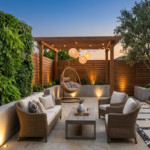
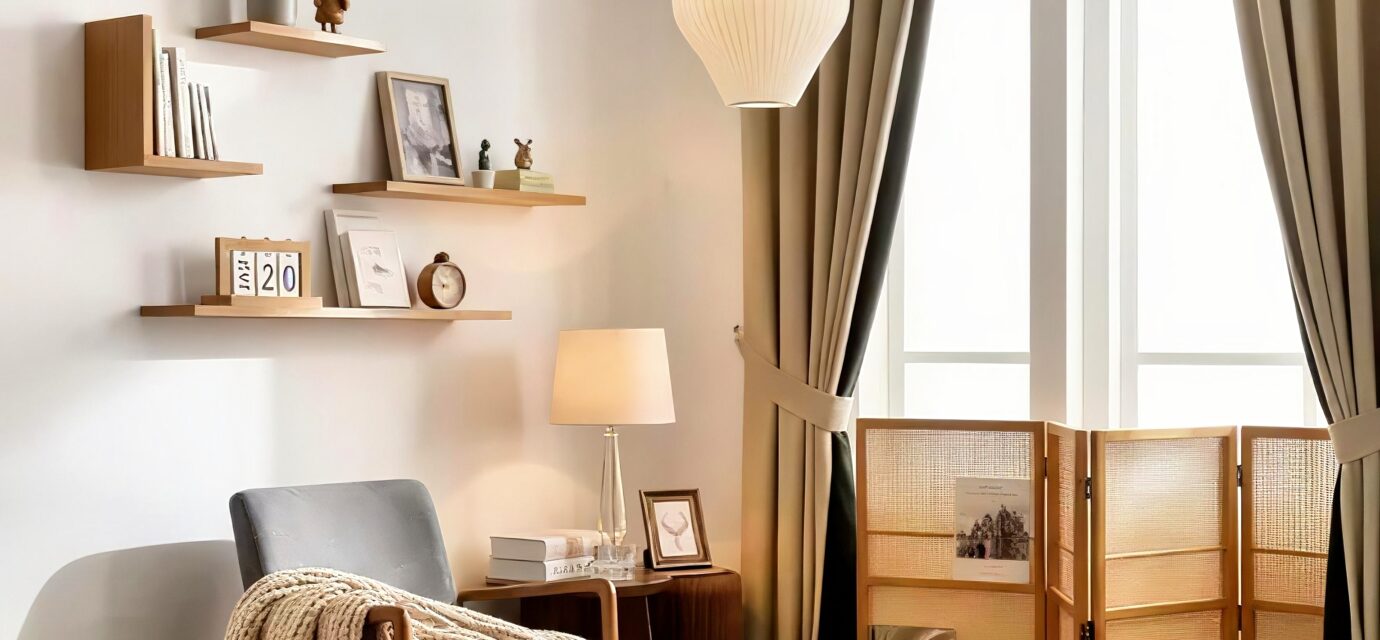
You’ve probably seen those minimalist living room photos that look stunning but feel cold and unwelcoming. That’s the classic museum effect. While clean lines and a clutter-free space are appealing, you also want a living room where you can truly relax and feel comfortable.
The secret isn’t adding more stuff—it’s about warm minimalism. It’s the art of keeping things simple while inviting a sense of “soul” back into the space. If you’re wondering how to add warmth to a white living room without ruining your aesthetic, here is a practical, step-by-step guide to making your home feel like a sanctuary.
1. Layer Textiles for Instant Softness
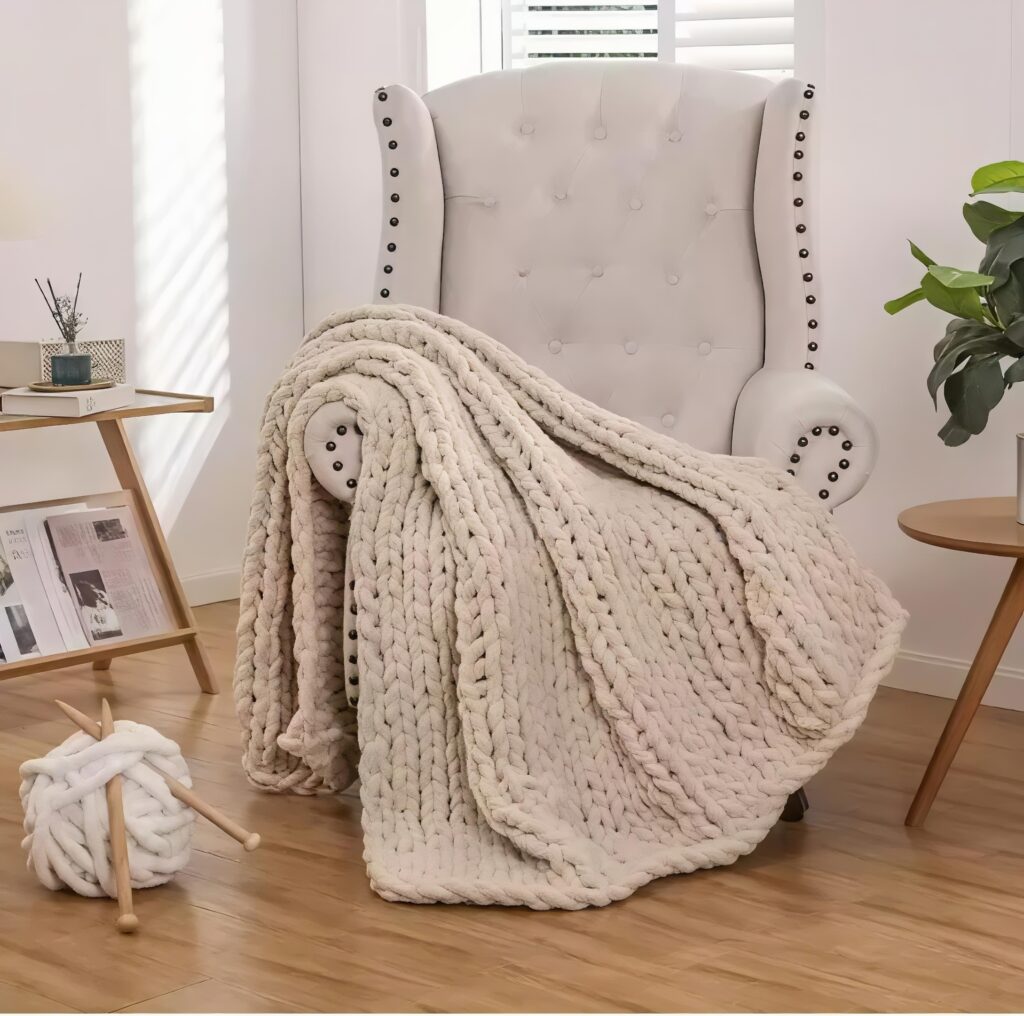
In a minimalist home, flat surfaces are everywhere. If your sofa is smooth, your floors are hard, and your walls are bare, the room will naturally feel “cold.” To fix this, introduce textured minimalist textiles.
- The Mix-and-Match Rule: Don’t just get one blanket. Pair a chunky wool throw with some smooth linen cushions. The contrast in “feel” creates visual interest.
- Embrace the “Drape”: Instead of folding your blankets perfectly, drape them over the edge of a chair. It signals that the room is lived-in and comfortable.
- Tactile Variety: Look for materials like boucle, sheepskin, or heavy cotton to give the eyes something soft to land on.
2. Switch to Sun-Drenched Neutrals
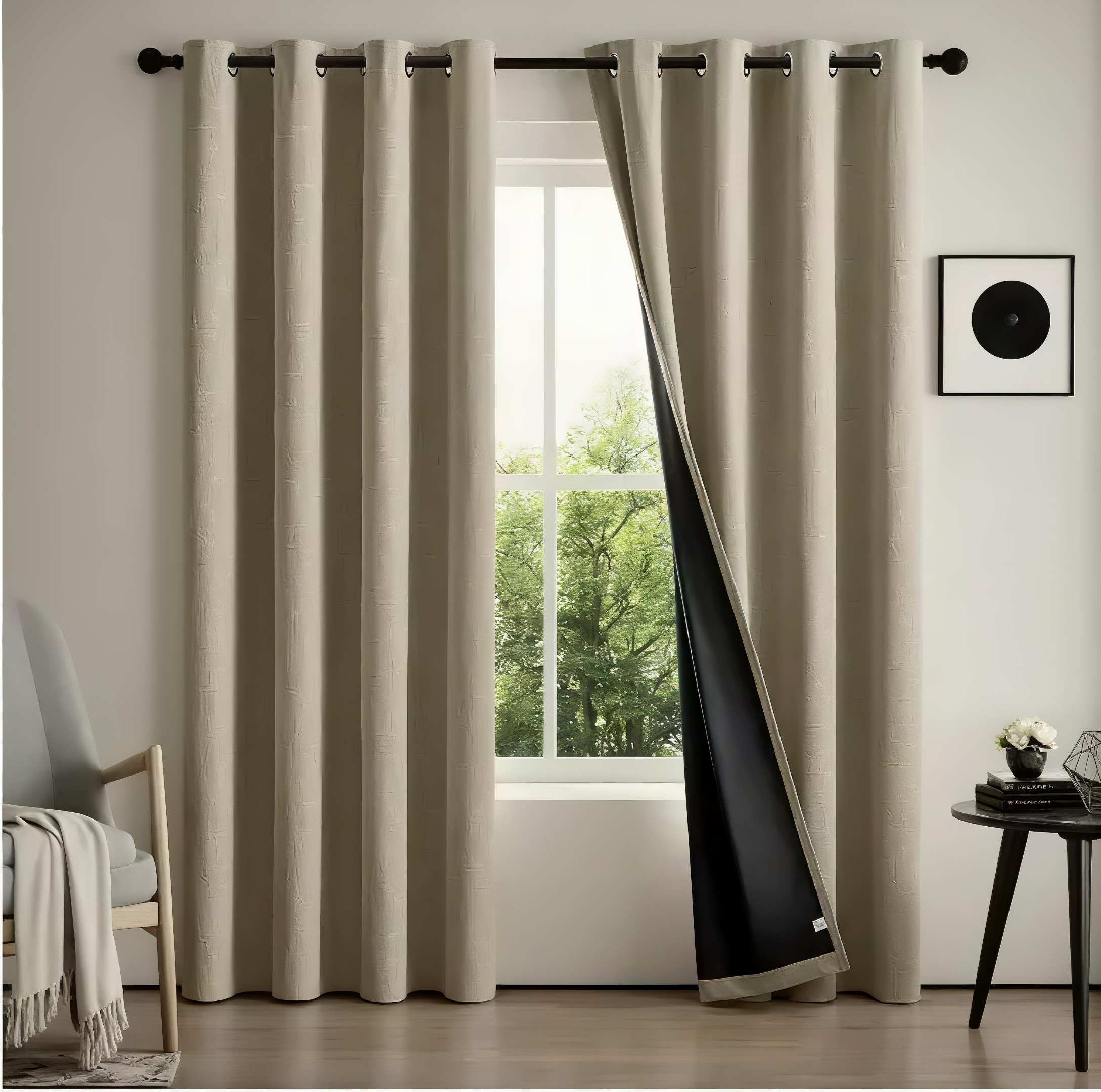
Many people think minimalism requires “stark white” paint, but it often ends up looking blue or gray in certain lighting. To achieve a cozy interior design, lean into warm neutral paint tones.
- Move Toward “Oatmeal”: Swap the hospital-grade white for shades like sand, cream, or almond. These colors hold onto the light and make the room feel “glowy.”
- A Tone-on-Tone Palette: Keep your neutral color palette interesting by using different shades of the same color for your walls, curtains, and rugs.
- The Ceiling Trick: Paint your ceiling half a shade lighter than your walls to keep the room bright but incredibly soft.
3. Create Warmth with Layered Lighting
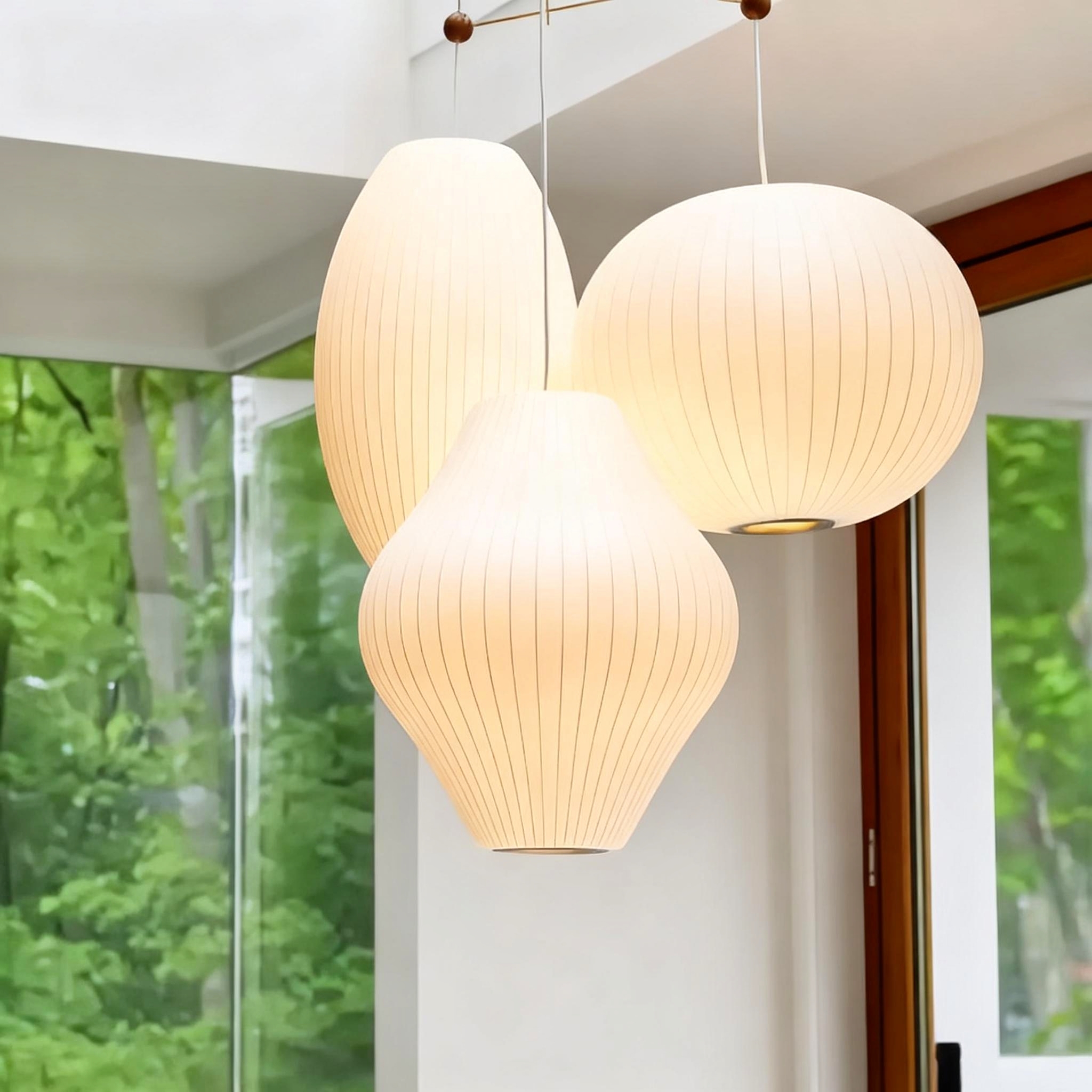
Nothing kills a mood faster than a bright overhead light. It flattens the room and makes everything look harsh. To truly master minimalist home design, you have to treat your lighting as a design element.
- Use Ambient Living Room Lighting: Invest in a few high-quality floor lamps with warm-toned bulbs.
- The 2700K Rule: Always check your lightbulb boxes. You want “Warm White” (2700K to 3000K) to avoid that blue, office-like glare.
- Pockets of Light: Instead of evenly lighting the whole room, create “pools” of light in corners or near reading nooks to add a sense of intimacy.
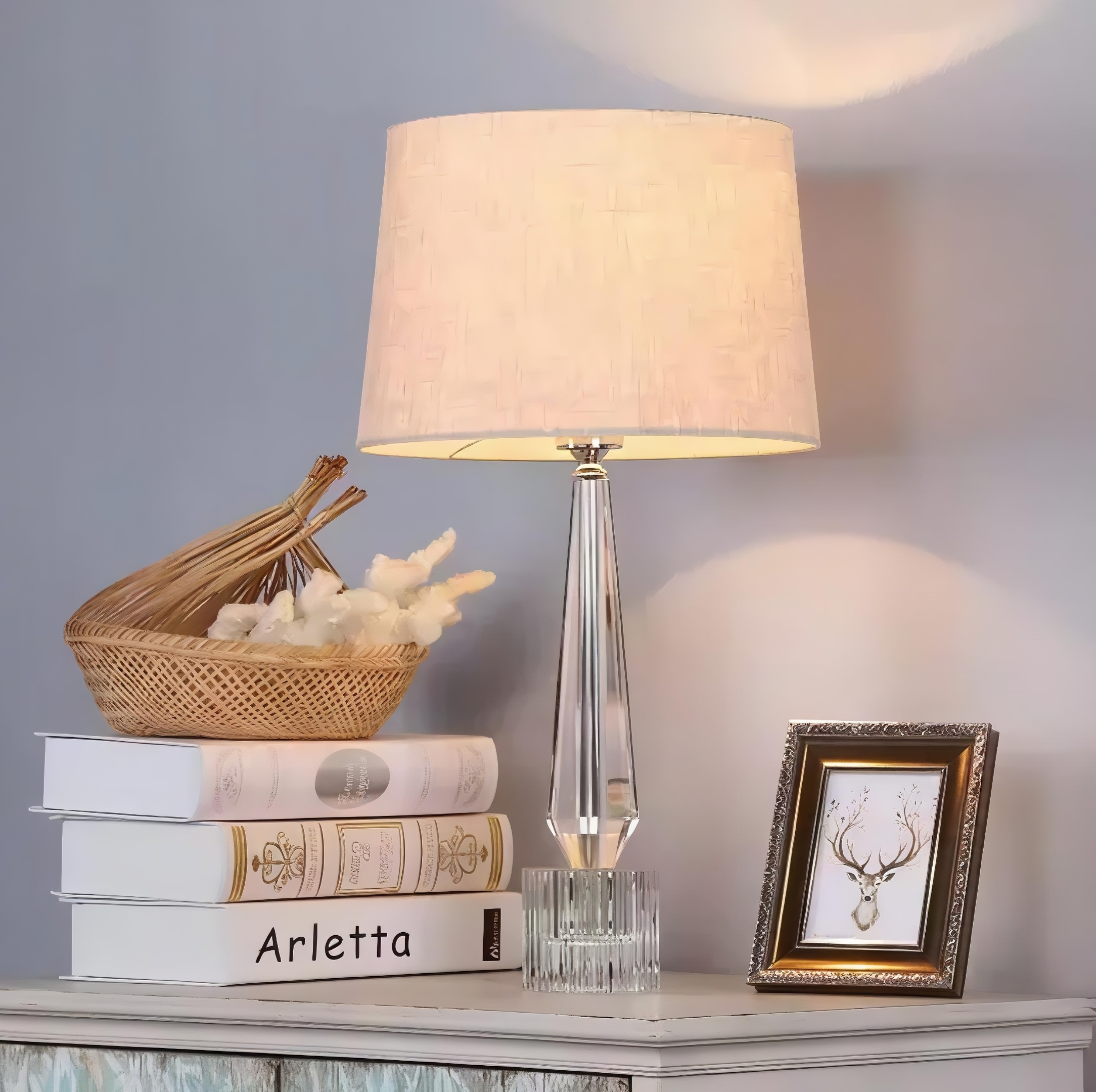
4. Add “Visual Heat” with Natural Wood
Wood is the ultimate “warmth” tool for a minimalist. It introduces an organic element that breaks up the man-made feel of drywall and metal. Natural wood home decor acts as a bridge between high design and homey comfort.
- Raw Finishes: Choose woods with a visible grain—like white oak or walnut. The “imperfections” in the wood make a white room feel much more approachable.
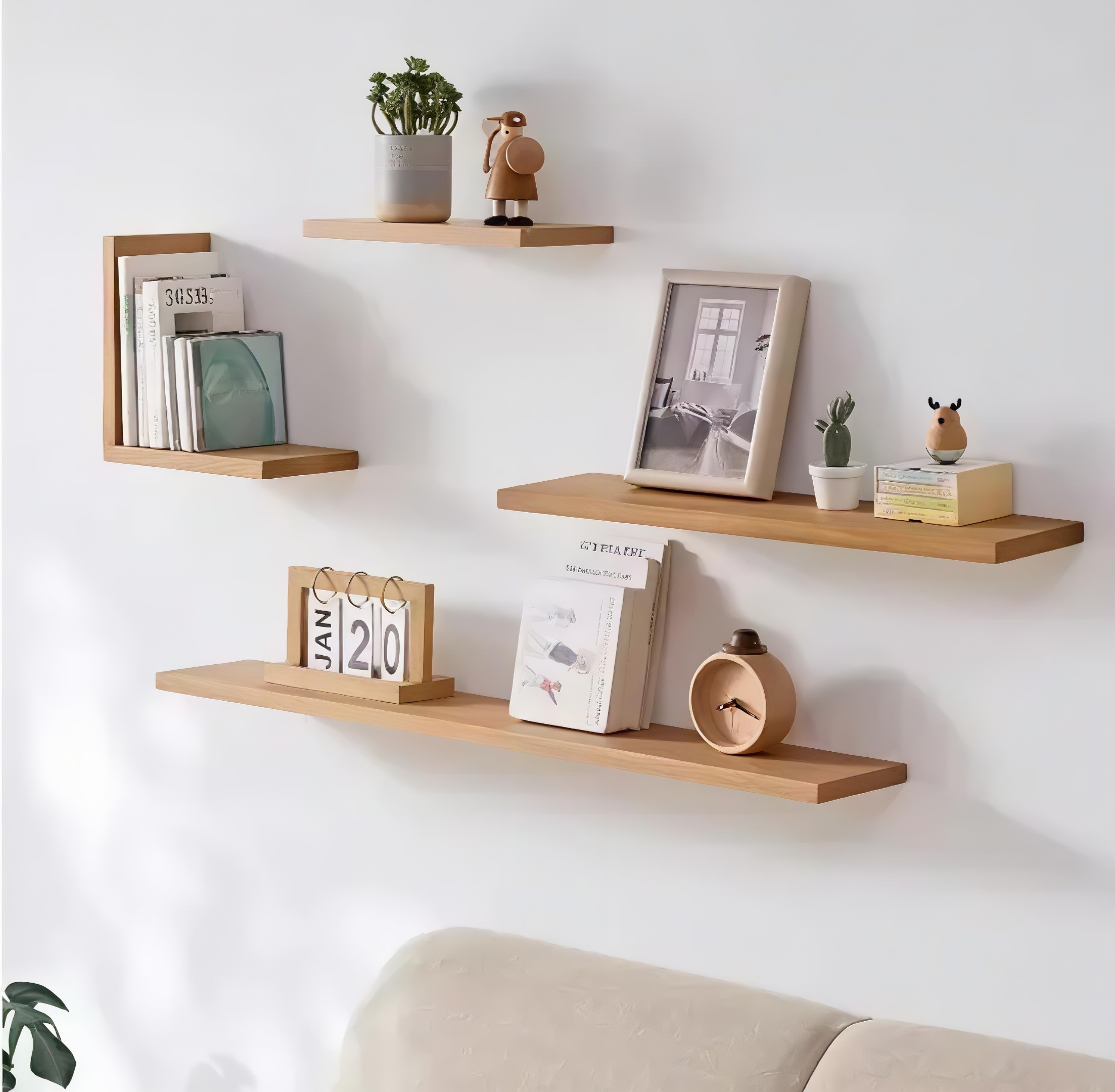
- Functional Wood: A simple wooden stool or a set of floating oak shelves adds “visual heat” without taking up unnecessary floor space.
- Keep it Matte: Avoid high-gloss finishes. A matte or oil finish feels much more modern and high-end.
5. Ground the Space with Plush Rugs
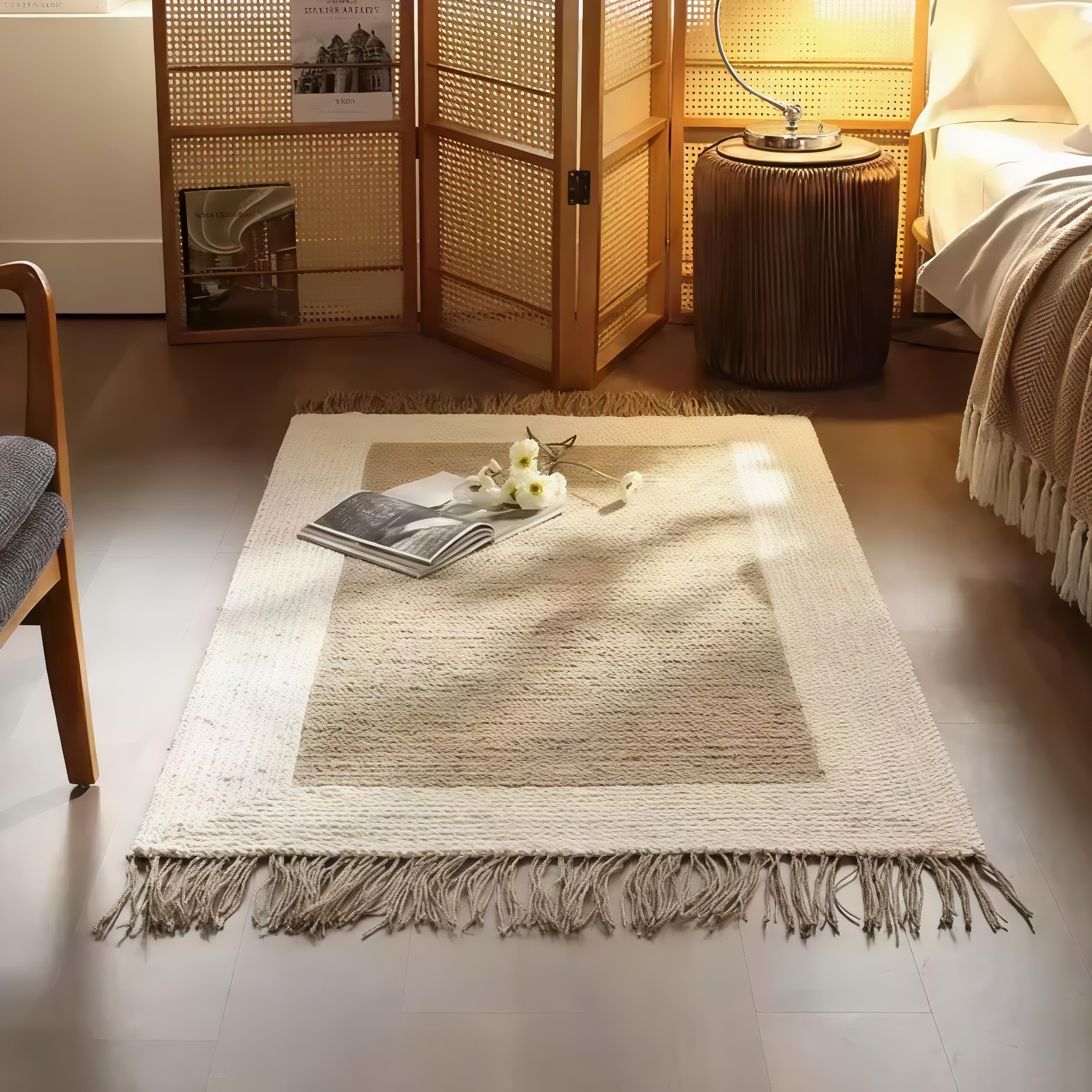
If your feet are cold, the room feels cold. It’s that simple. Incorporating minimalist area rugs is the fastest way to “anchor” your furniture and dampen the echoes that often plague minimalist spaces.
- Go Big: A rug that is too small makes a room look cluttered. Ensure it’s large enough to tuck under the front legs of all your seating.
- Natural Fibers: Jute and sisal are great for a neutral color palette, but if you want maximum coziness, look for a plush, high-pile wool rug.
- Texture Over Pattern: Instead of a busy pattern, look for a rug with a carved or high-low texture to keep the look clean but interesting.
Conclusion
At the end of the day, warm minimalism is about intentionality. You don’t need a house full of trinkets to feel at home; you just need the right balance of light, texture, and tone. By focusing on a cozy interior design and swapping sterile elements for warm neutral paint tones, you can create a minimalist home that is as inviting as it is beautiful. Remember: minimalism should serve you, not the other way around. Which of these changes will you make first?